


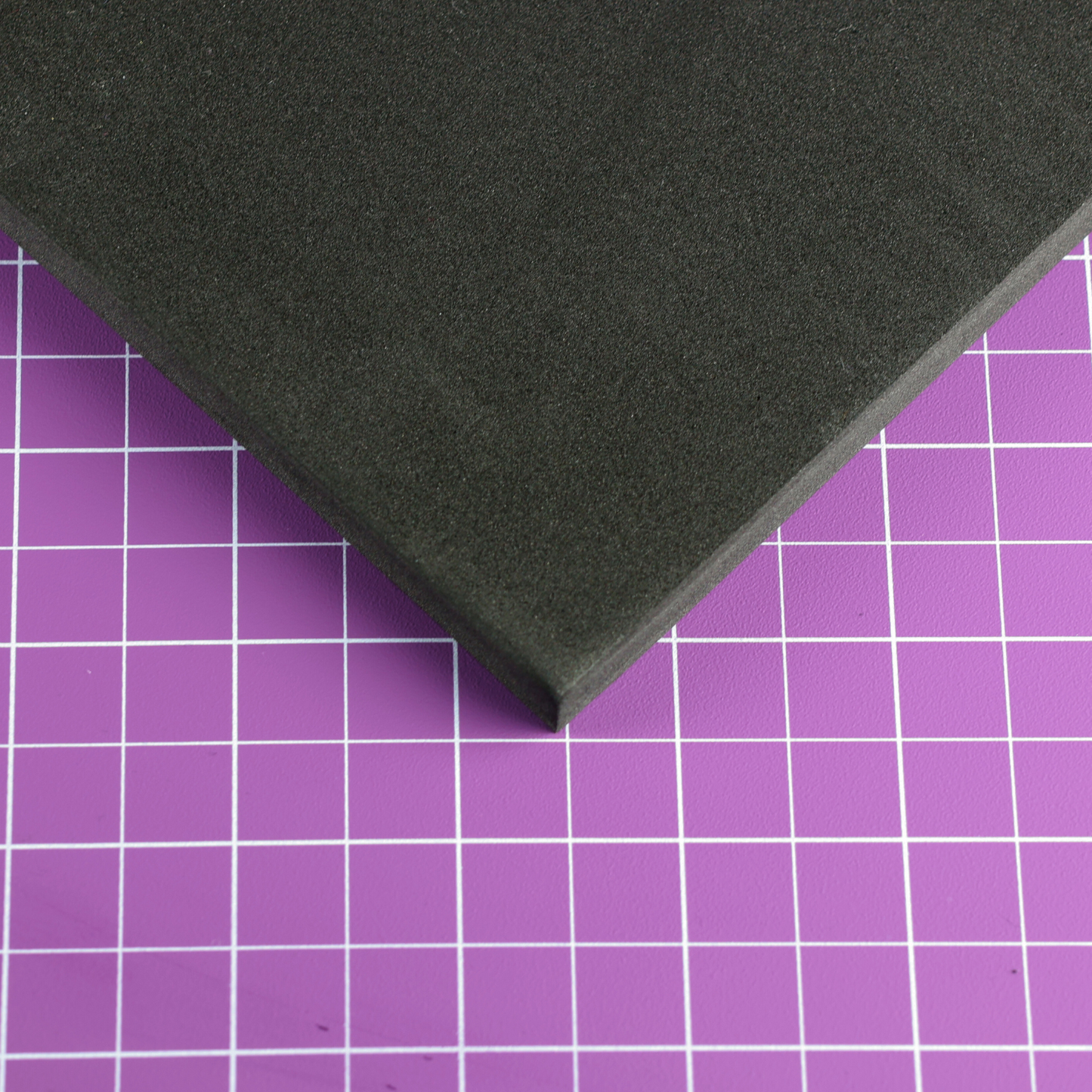
EVA foam 65 kg/m3, 2 mm black - 200x100 cm
EVA foam 65 kg/m3, 2 mm black - 200x100 cm

plus shipping from €4,95
Shipping options
 DHL Packstation€4,95From €60:
€0,00
2–4 business days
DHL Packstation€4,95From €60:
€0,00
2–4 business days
 DPD Packstation€4,95From €60:
€0,00
2–4 business days
DPD Packstation€4,95From €60:
€0,00
2–4 business days
- Standardversand€7,95From €80:
€0,00
2–4 business days


All prices include VAT.


Shipping & returns
Secure payments
Your payment information is processed securely.


Description
Professional EVA foam for high-precision cosplay crafting
This high-density EVA foam is the gold standard for builders requiring a smooth, reliable surface for intricate prop and armor design. With its 65 kg/m3 density, this material provides the perfect balance between rigidity and flexibility. Its uniform structure ensures exceptional results during heat forming and sanding, making it an essential component for any professional cosplay project.
Key features
- High density: The 65 kg/m3 rating ensures a closed-cell structure, providing superior durability and resistance to deformation. This specific density is highly valued for its excellent sanding properties and professional finish.
- Versatile thickness: The 2 mm gauge is ideal for creating thin, lightweight details, layered textures, and decorative piping. The material reacts consistently to heat, allowing for effortless shaping with a heat gun.
- Optimal sheet size: Measuring 200x100 cm, this large-format sheet provides maximum efficiency for pattern cutting. It minimizes waste and allows for the creation of larger, seamless armor panels.
- Easy processing: This foam is compatible with all standard precision cutting tools and abrasive materials. The edges remain clean and sharp after cutting, significantly reducing the time spent on post-processing.
- Universal color base: The deep black color serves as the perfect foundation for paint applications. Starting with a dark base requires fewer layers of paint, speeding up the finishing process for any prop or costume piece.
Use cases
Intricate detailing
The 2 mm thickness is perfectly suited for cutting delicate patterns and ornaments to be layered onto base armor. It excels in creating raised emblems, filigree, and complex surface textures on helmets and gauntlets.
Comfortable linings
Due to its lightweight and flexible nature, this material serves as an excellent internal padding for rigid armor structures. It enhances overall comfort and stabilizes the fit of large accessories against the body.
Refined accessory construction
This foam is the ideal choice for constructing straps, functional buckles, and other small equipment components. When properly sealed, the material maintains its structural integrity and shape throughout intensive use.
For clean, precise cuts when working with this foam, explore our range of precision knives. To ensure permanent and flexible bonds between layers, we recommend our selection of professional adhesives designed specifically for porous materials.
Specification
| Attribute | Value |
|---|---|
Thickness |
2 mm |
Self-adhesive |
No |
Color |
Black |
Density |
65 kg/m3 |
Size |
200x100 cm |
SKU: |
MGC-EVAF-0057 |
EAN: |
5904423961649 |
Reviews
Pianka bardzo dobrej jakości. Użyłam do zrobienia stroju karnawałowego dla dziecka i bardzo dobrze się sprawdziła. Polecam
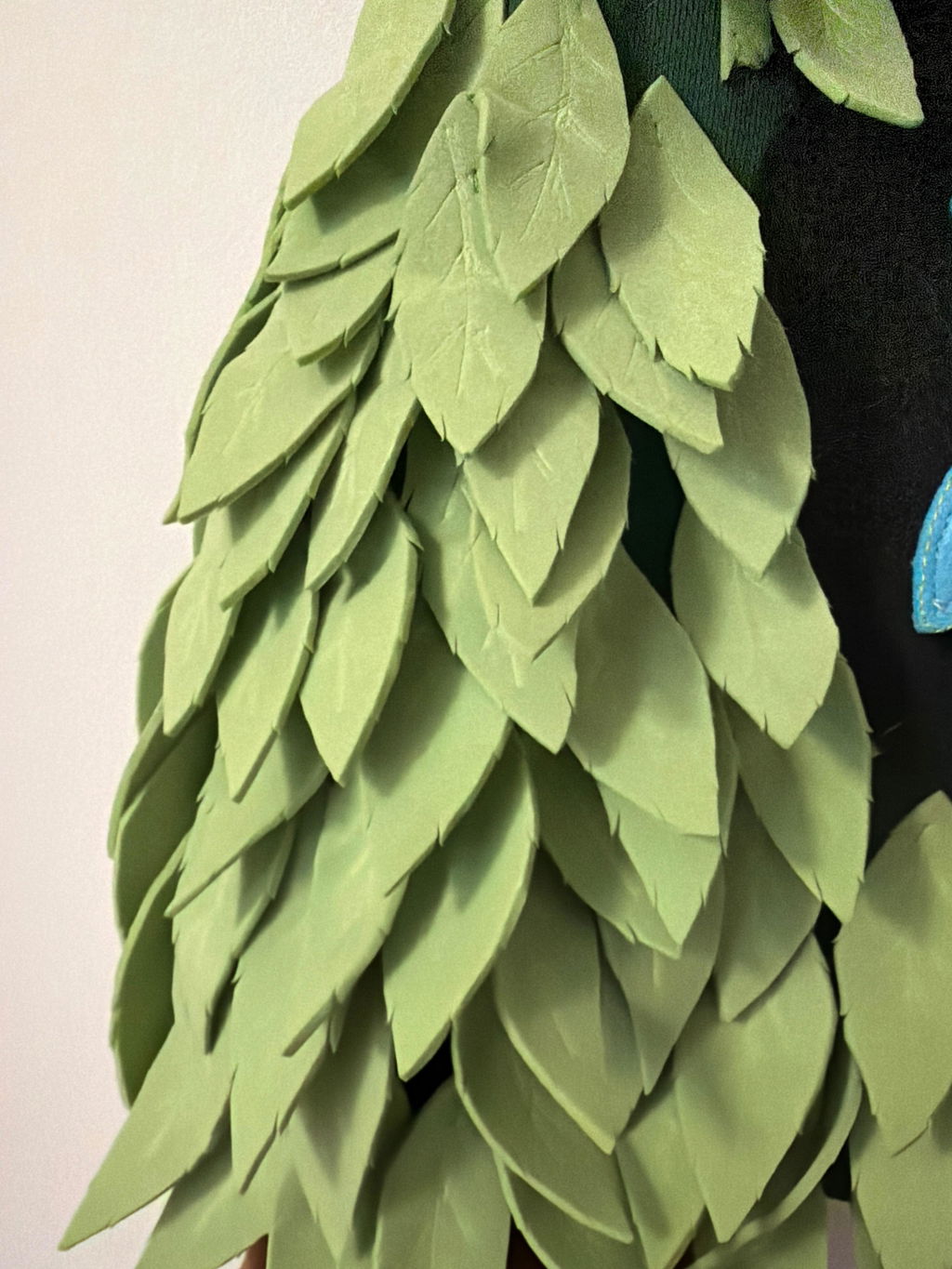
Profesjonalna obsługa
Kupiłam tą piankę z myślą o zrobieniu własnego kostiumu na Halloween i jestem mega zadowolona. Materiał świetnie się do tego nadaje, łatwo się go przycina i można go formować bez problemu. Do takich kreatywnych projektów sprawdza się naprawdę dobrze. Polecam!
Wszystko w porządku. Nie jest porowata
Wszystko ok
Użyłem do dylatacji .
Pianka w 100% spełnia oczekiwania, idealnie nadała się do mojego projektu!
Zgodny z oczekiwaniami, wszystko ok.
